Institute of Science Tokyo
Department of Biochemical Pathophysiology · Medical Research Laboratory · Institute of Integrated Research
Department of Lipid Biology · Graduate School of Medical and Dental Sciences
Centered on the biology of phosphoinositides and other phospholipids, we work to elucidate the molecular mechanisms of cancer, inflammatory and neurodegenerative diseases, and aging. We seek new principles that govern life and aim to translate them into medicine for preventing and curing intractable diseases.
From the perspective of phosphoinositide-centered lipid biology, we elucidate the pathology of cancer, inflammatory diseases, and neurodegenerative diseases at the molecular level.
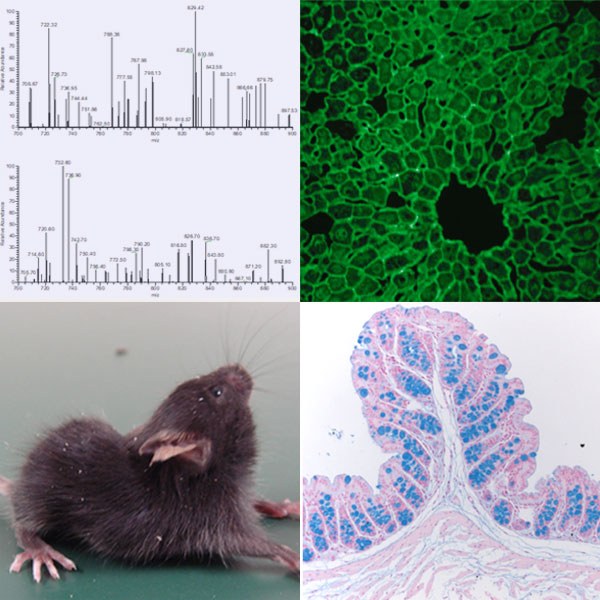
Phosphoinositides are trace phospholipids that regulate signal transduction and membrane dynamics inside and outside the cell. Using genetically modified mice for some 50 phosphoinositide-metabolizing enzymes, we elucidate how intractable diseases such as cancer, inflammatory diseases, and neurodegenerative diseases arise and progress.
Combining mass spectrometry data with AI and machine learning, we search for unknown lipid molecules that change in disease. We identify the enzymes that produce and degrade them and elucidate their physiological functions and mechanisms of action.
Lipids are distributed not only in the plasma membrane but also in organelles, the cytosol, and the extracellular environment, where they control biological processes. We elucidate how lipid localization is controlled and how lipid information is read out and converted into cellular responses.
We develop deep mass spectrometry techniques for phospholipids and apply them to clinical specimens of human disease. By analyzing lipid changes associated with disease, genetic abnormalities, lifestyle, and aging, we develop stratification markers.
We clarify how age-related changes in phosphoinositide metabolism contribute to aging and age-related diseases. Combining genetic analysis with our original lipid-measurement technology, we aim to elucidate the lipid-metabolic mechanisms that control aging and to develop new interventions.
Selected papers are listed here. Please see the full list of publications below.
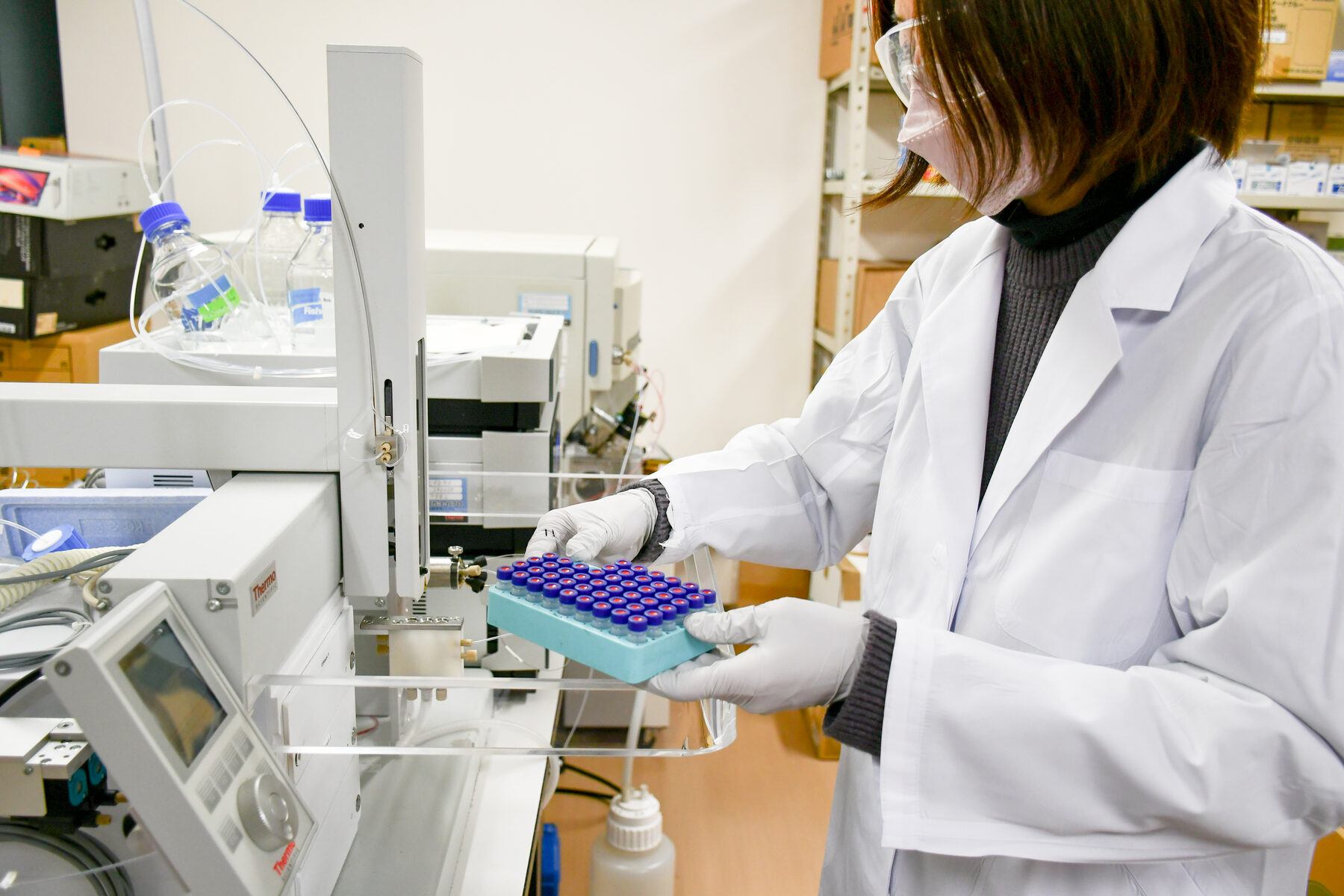
With its designation as a University for International Research Excellence and its robotic experiment support, the laboratory offers a world-class education and research environment.
Under MEXT’s University for International Research Excellence program, Institute of Science Tokyo has been formally certified. Supported by the University Fund, it aims to build a world-leading research environment.
Learn more → High-precision experiment supportA Robotic Experiment Support Office that advances autonomous experimentation with robots and AI. It is an advanced research infrastructure for efficiently performing large-scale, high-precision experiments.
Featured in Nature →Certified as a Joint Usage / Research Center for intractable diseases. We actively support collaborative research and shared use of equipment with researchers both within and outside Japan.
In partnership with the National Center of Neurology and Psychiatry and the Tokyo Metropolitan Institute of Medical Science, we aim to elucidate the pathology of multilayered stress diseases.
Through the Cross-University Program for Strengthening Research Infrastructure, we are enhancing advanced analytical instruments and technical-education systems.
Learn more → Selected FY2023“Age-related remodeling of phosphoinositides and the essence of aging and disease” was selected for AMED-CREST. We aim to elucidate aging-regulating lipid profiles and to develop methods to control aging.
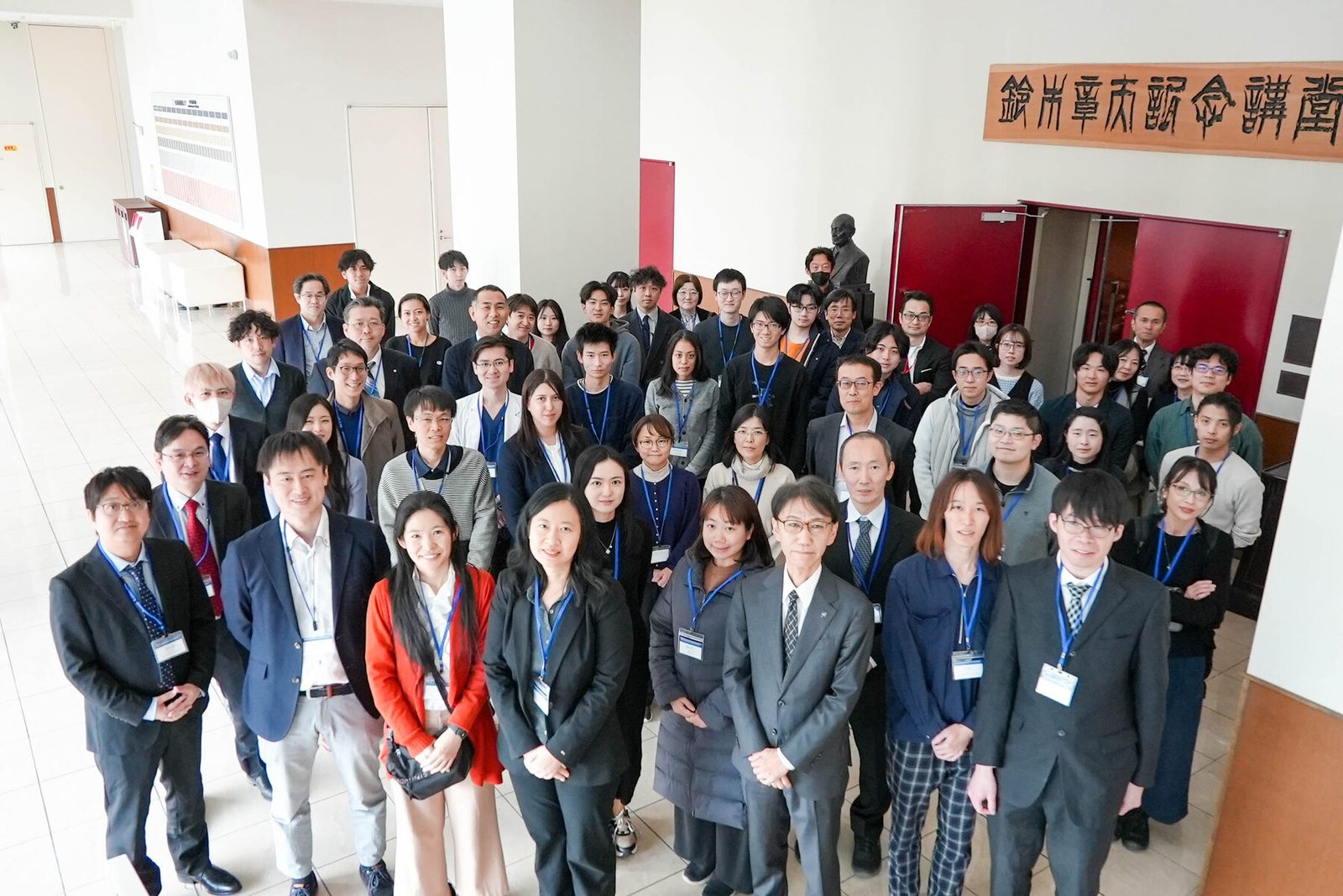
Learn more →Members from diverse backgrounds work together to pursue highly original research.
We share background and explanations of our research along with a collection of useful links — recommended for students and general readers alike.
Biomolecules can be understood as three tiers: genes – proteins – metabolites. Lipids belong to the metabolites and play three roles: membrane formation, energy storage, and signal transduction.
Read more →A group of trace phospholipids in cell membranes. Eight species exist, differing in the phosphorylation pattern of the 3-, 4-, and 5-position hydroxyls of the inositol ring of phosphatidylinositol, and they regulate diverse effector proteins.
Read more →In the phosphoinositide metabolic system, about 50 enzymes in humans and mice catalyze interconversion reactions by phosphorylation and dephosphorylation.
Read more →Abnormalities in phosphoinositide-metabolizing enzyme genes cause cancer, inflammatory, and neurological diseases. We survey the pathologies arising from disrupted phosphoinositide metabolism revealed by genetically modified mouse studies of about 50 enzymes.
Read more →Using our original measurement technology, we found that phosphoinositide profiles change with age. We aim to identify aging-regulating phosphoinositide species and enzymes and to understand the fundamental mechanisms of aging.
Read more →Combining structure-prediction AI with generative AI and statistical analysis, we are developing a new computational–biochemical approach to quantitatively predict and verify lipid–protein binding.
Read more →From the Hokins’ 1953 discovery to the rediscovery of these lipids in disease — an overview of 70 years of phosphoinositide research.
Read more →PI3-kinase generates PI(3,4,5)P3 from PI(4,5)P2, and PTEN catalyzes the reverse reaction. An imbalance between the two is deeply involved in cancer and immune diseases.
Coming soonLipids in biological samples such as surgical tissue and blood can be measured with a mass spectrometer. Deep analysis of the hundreds of phosphoinositide species is a major strength of our laboratory.
Coming soon🗺️ Open in Google Maps
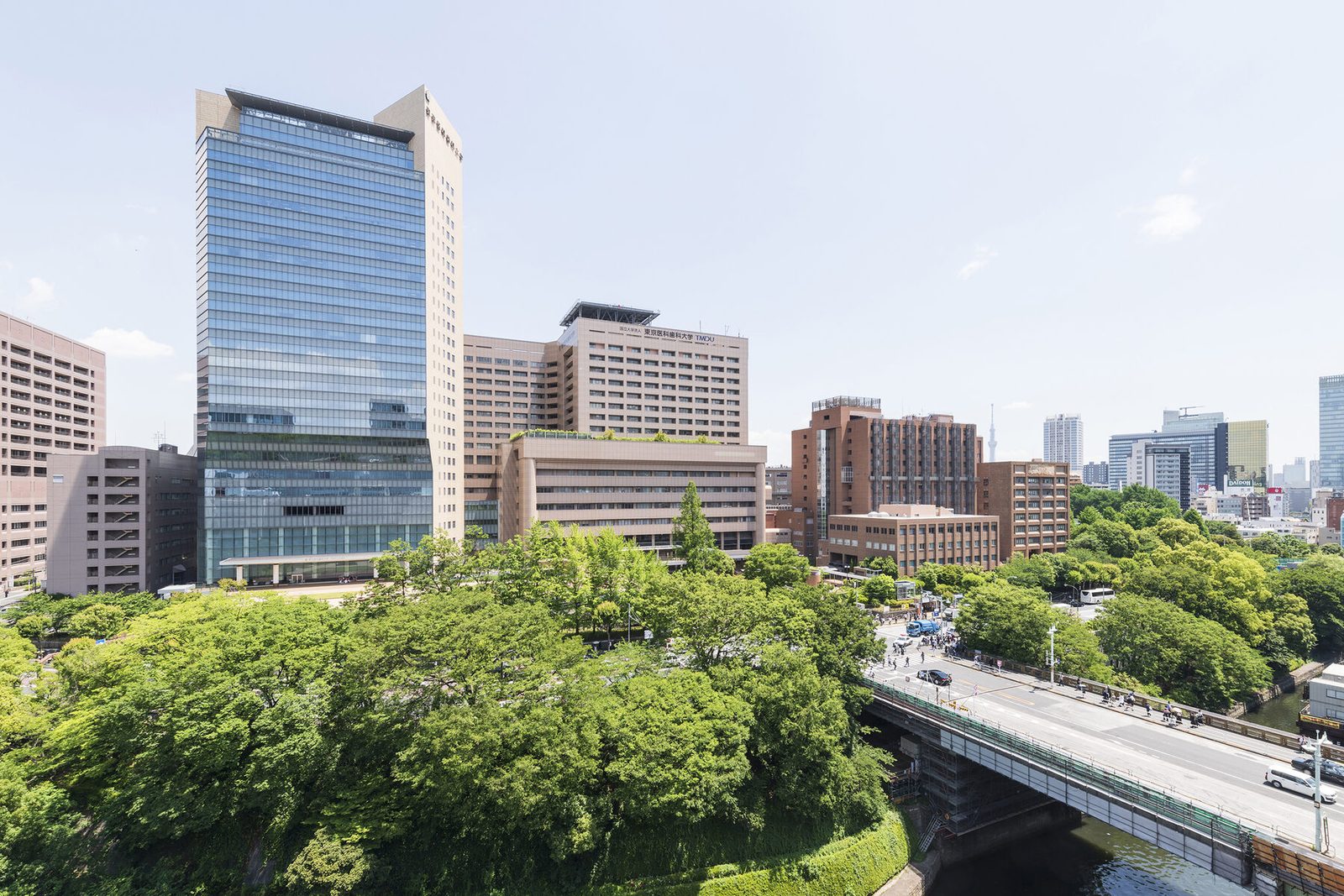
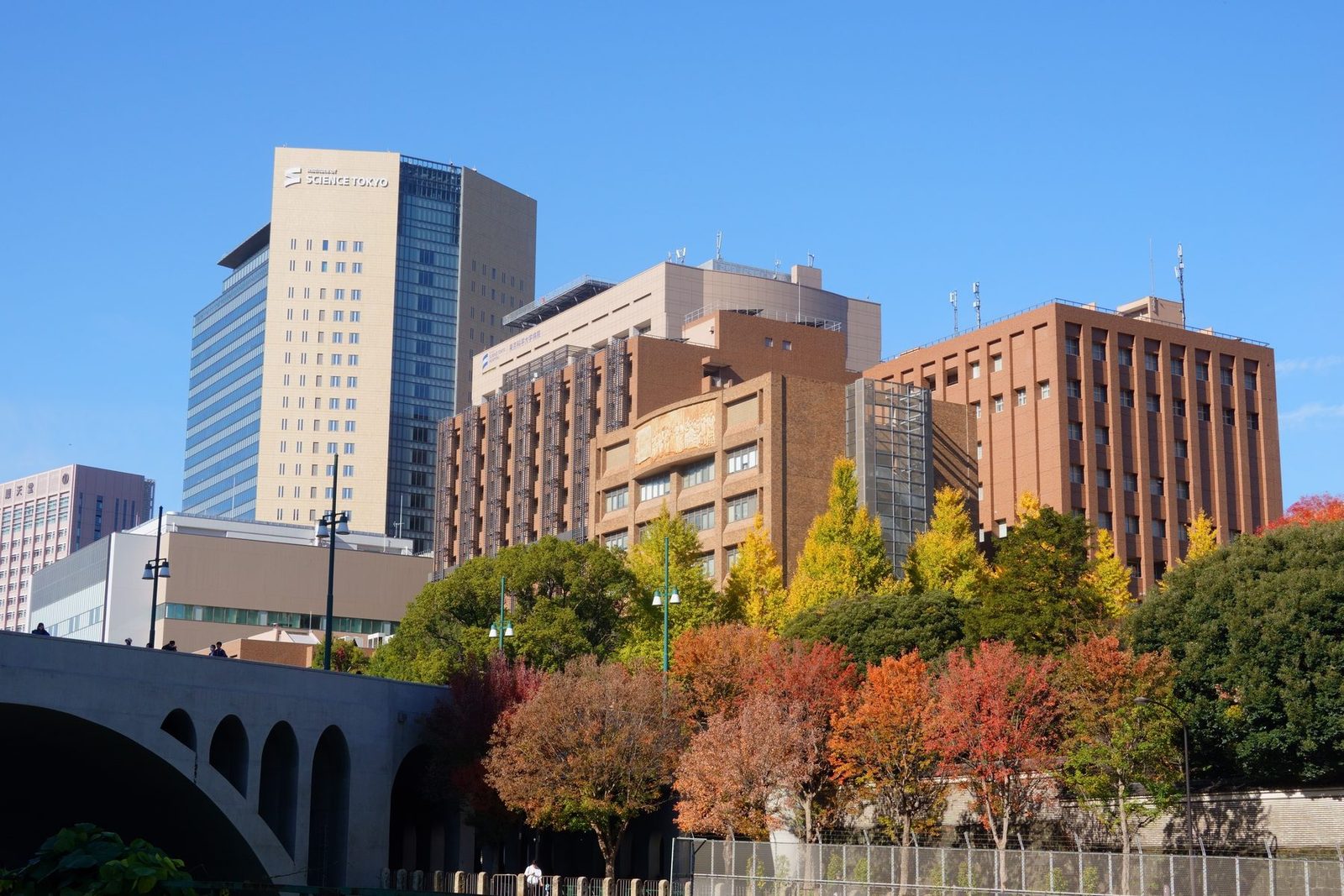
From JR Ochanomizu Station (Chuo Line Rapid JC03 / Chuo-Sobu Line Local JB18), exit at Ochanomizubashi and cross the Ochanomizu Bridge
or take the Tokyo Metro Marunouchi Line to Ochanomizu Station (M20) and use the ground-level exit (the Ochanomizu Gate is right there).
Enter the campus through the Ochanomizu Gate.
Keep the multi-story parking garage on your left and walk straight; turn left and the M&D Tower entrance will be ahead on your right.
Take the elevator to the 19th floor (Department of Biochemical Pathophysiology).